
The 2nd Industry 4.0 stakeholder meeting highlighted the LCAMP project’s role in strengthening advanced manufacturing and developing the talent needed for a sustainable, digital future.
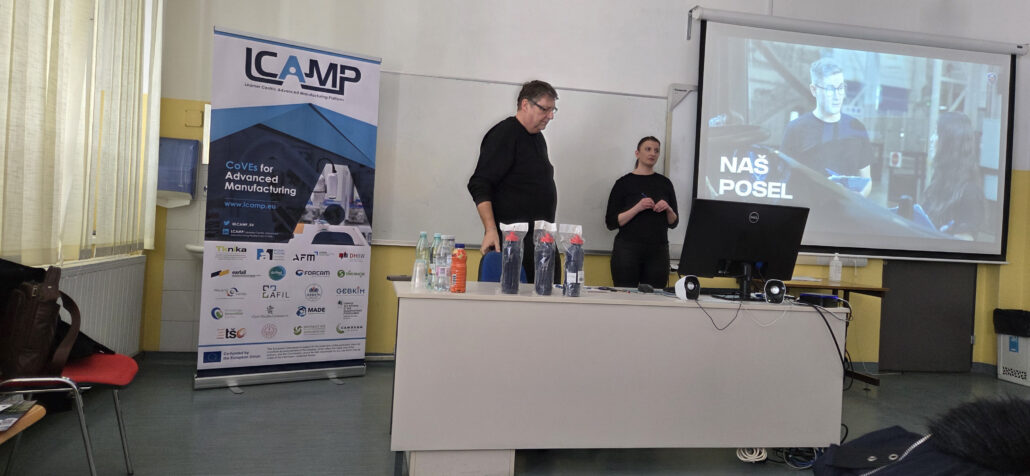
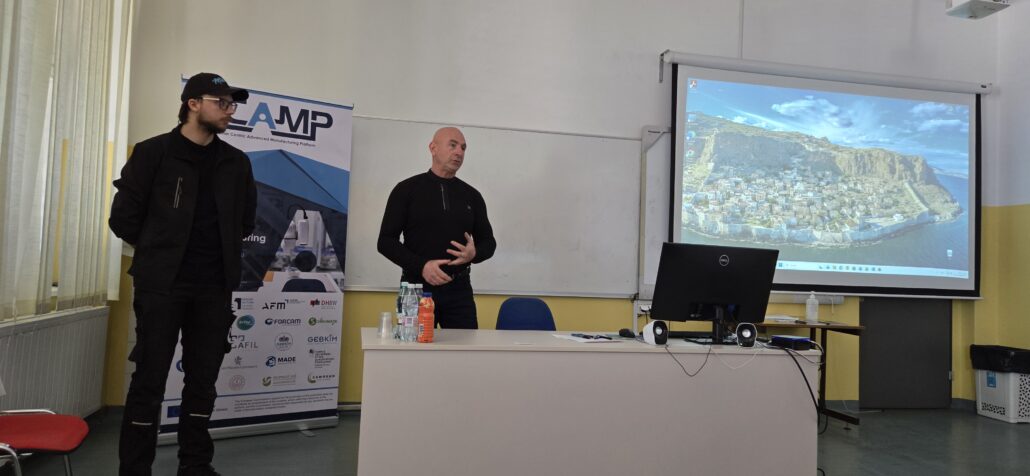
On March 6, 2026, the TŠC Maribor campus hosted a regional business-to-academia event bringing together key stakeholders from industry and education. The event focused on integrating Industry 4.0 principles into Slovenia’s mechanical engineering sector, with particular attention to workforce development and the LCAMP project’s contribution.
Representatives from six leading Slovenian companies presented their development paths and shared practical examples of implementing advanced technological solutions in real industrial environments. Their insights provided valuable perspectives on current trends and future needs in the sector.
Key discussion themes included:
- The Talent Challenge: Companies highlighted ongoing difficulties in attracting and retaining highly skilled technical professionals.
- Continuous Learning: Speakers emphasized the importance of lifelong learning and upskilling to keep pace with rapid technological change.
- Active Student Engagement: Businesses issued a direct call to action to students, offering opportunities to engage in real-world problem-solving through internships, practical training, and future employment.
Mag. Čretnik, Director of the Higher Vocational College, delivered a keynote presentation on the LCAMP project, outlining its strategic role in supporting Advanced Manufacturing Centres of Vocational Excellence (CoVEs). He highlighted several key benefits for partner companies:
- Advanced Training Frameworks: Strengthening employee competencies through project-based learning approaches.
- Collaborative Learning Environments: Fostering cooperation between industry and academia to develop modern, technology-driven training hubs.
- Digital Twins (WP6): A showcase of Work Package 6 demonstrated the integration of an LCAMP robot within a digital factory environment, illustrating the potential of digital twin technology in education and industry.
The event concluded with a guided tour of TŠC Maribor’s educational facilities. Participants experienced demonstrations of newly acquired equipment already embedded in the teaching process, clearly illustrating how Industry 4.0 concepts are translated into hands-on learning.
As emphasised during the event:
“The future is digital and green. Through the LCAMP project, we are building the foundation for a sustainable and technologically advanced Slovenian engineering sector.”