PROJECT DESCRIPTION
This project aims to assess the feasibility of a new formulation of a sustainable, natural, renewable and proximity-based material for surfboard manufacture, in line with the Ekoblanks Groups’ initiative.
Currently, the core of surfboards is predominantly made from polyurethane (PU) material in countries such as Australia and the United States. However, this project seeks to develop a more environmentally friendly and local alternative. To this end, CIFP Don Bosco LHII will carry out a comprehensive analysis through validation tests, creating samples under various conditions, measuring key properties and assessing their suitability in scenarios similar to their actual use.
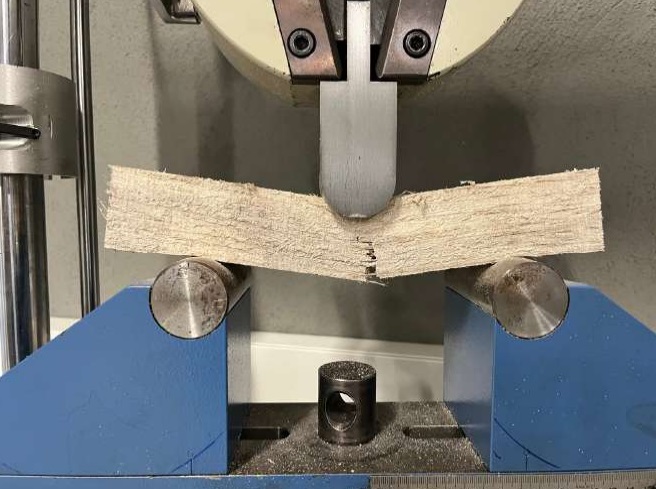
The study will include the evaluation of water resistance, impact resistance and machinability of the material, establishing a systematic procedure that can be used as a basis for future mass production.
Methodology
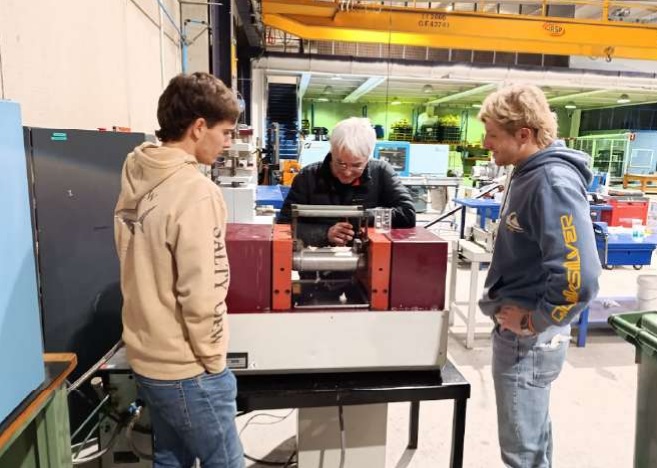
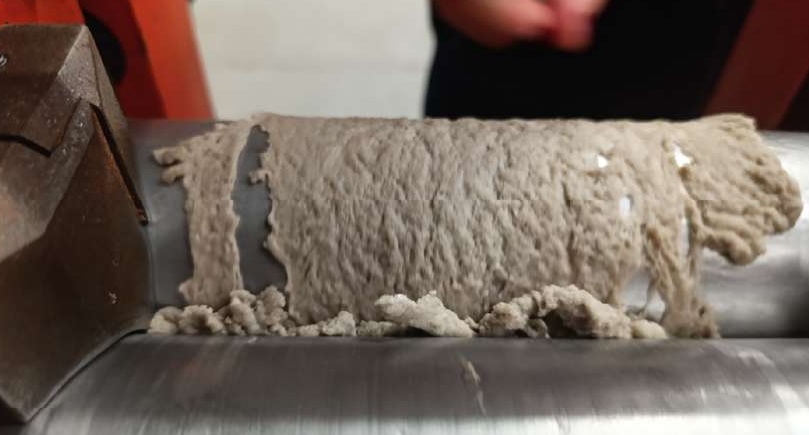
After holding a meeting to determine the company’s needs, the project is defined and developed. Part of this developed at Don Bosco and the other part at Miguel Altuna carrying out the following tasks: 1. Fabrication of the mold for making collagen sheets. 2. Development of a collagen foam formulation and fabrication of the sheets, first prototypes. 3. Physical-chemical tests of the collagen foam: density, TGA, DSC. 4. Physical tests of the collagen foam: compression, tension, hardness. 5. Carrying out machining tests of the collagen foam. 6. Comparison with a commercial PU foam. 7. Coating the test specimens with fiberglass and resins, carrying out tests and validating them. 8. Reverse engineering.
Requirements from the company
in-depth knowledge of turboarts manufacturing and particularly of the technical specifications of fuams.
Resources
Machining, machine, universal testing machine, densimeter, durometer, TGA, DSC, mixing rollers, heated plate press, molds, scanning equipment.
Results & Achievements
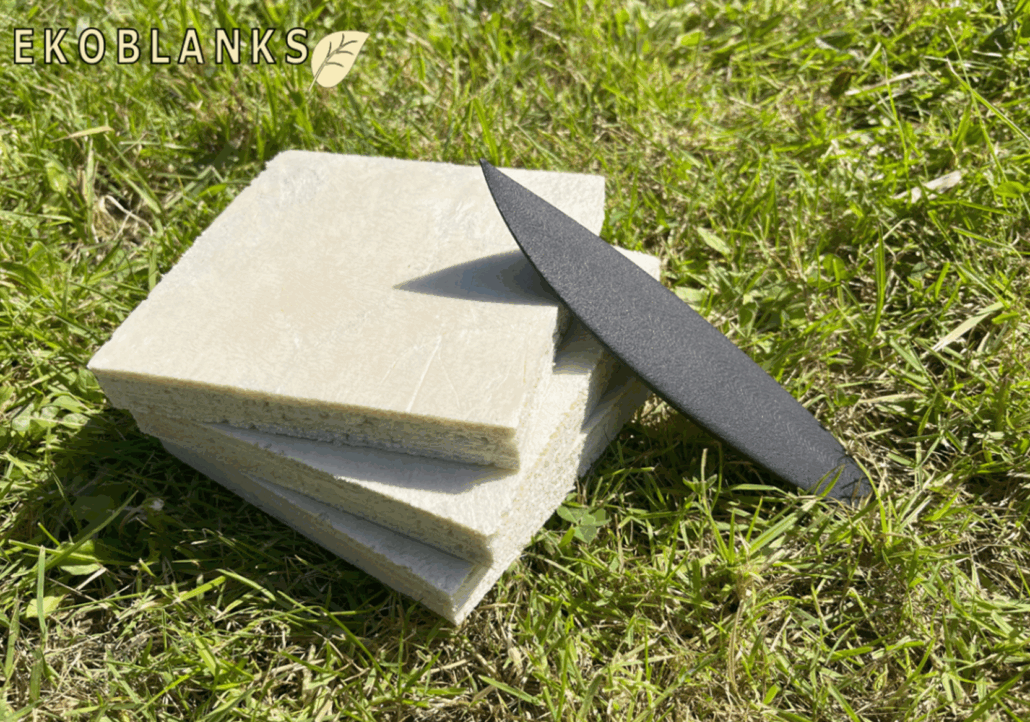
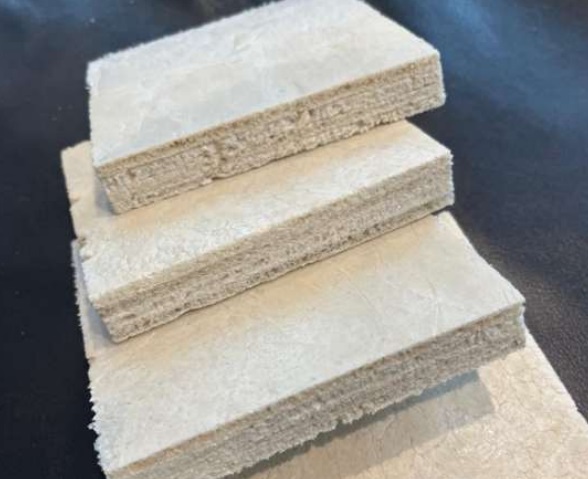
A collagen foam formulation and manufacturing process has been developed for prototype application. A functional collagen foam prototype has been produced. Five millimeter plates were bonded using a structural adhesive to create a machinable block. It will be possible to machine a hand plate prototype for subsequent functional tests.